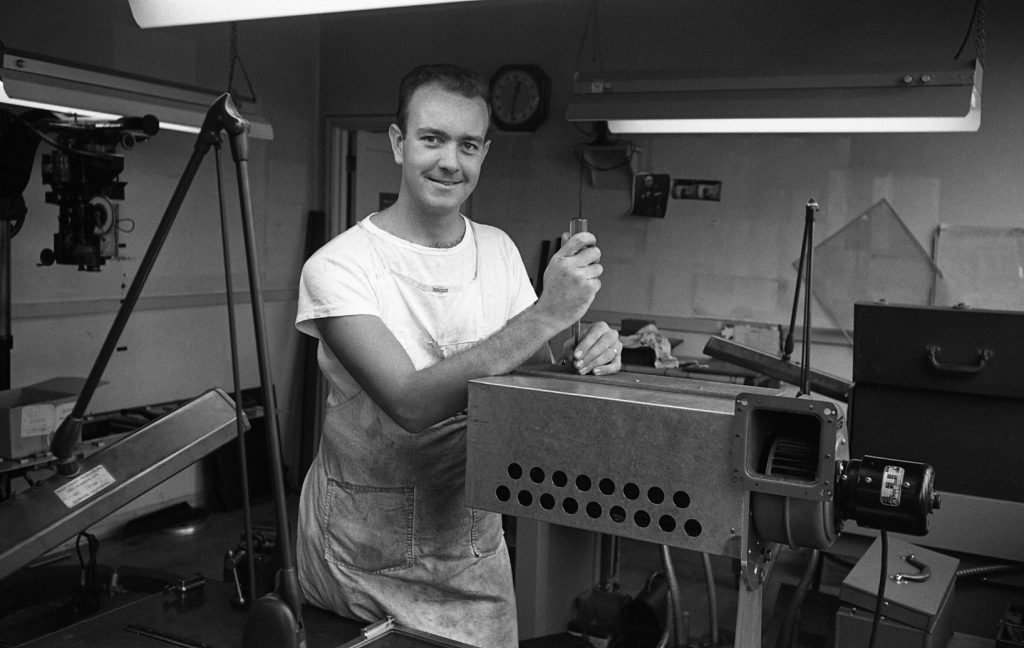
Disney Legend Don Iwerks, a pioneer in the development of numerous camera, projection, and other technical systems for Disney parks and films, passed away the evening of July 9 at the age of 96.
“Don embodied that rare combination of heart, ingenuity, and passion that has always defined Disney,” said Josh D’Amaro, Chief Executive Officer of The Walt Disney Company. “Through his innovative contributions to some of our most iconic films and attractions, he helped create experiences that have delighted generations of fans around the world. All of us at The Walt Disney Company will miss him deeply, and we send our most heartfelt condolences to his family, whose enduring connection to Disney has helped shape its legacy for over a century.”
Born July 24, 1929, Don followed his father — animator, special effects wizard, and fellow Disney Legend Ub Iwerks — to Walt Disney Productions (known today as The Walt Disney Company), starting in 1950 as a special photographic processes laboratory technician. It’s a job he worked only briefly before being drafted into the Korean War; after two years in the Signal Photo Corps, he returned to the U.S. and immediately went back to work at Disney.
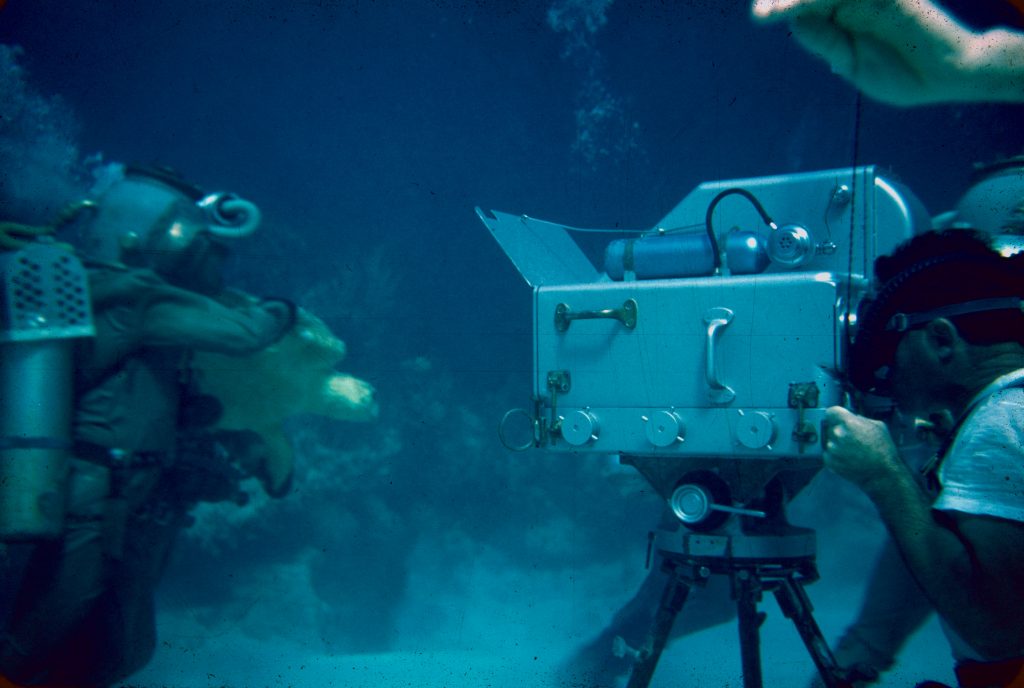
He soon transferred to the fabled Studio Machine Shop in early January 1953, where he was eventually offered a camera technician position and went to work on his first major film project for the studio, Walt Disney’s 20,000 Leagues Under the Sea (1954). Don eventually led both the Machine Shop and Camera Service Department, as well as the Technical Engineering and Manufacturing Division.
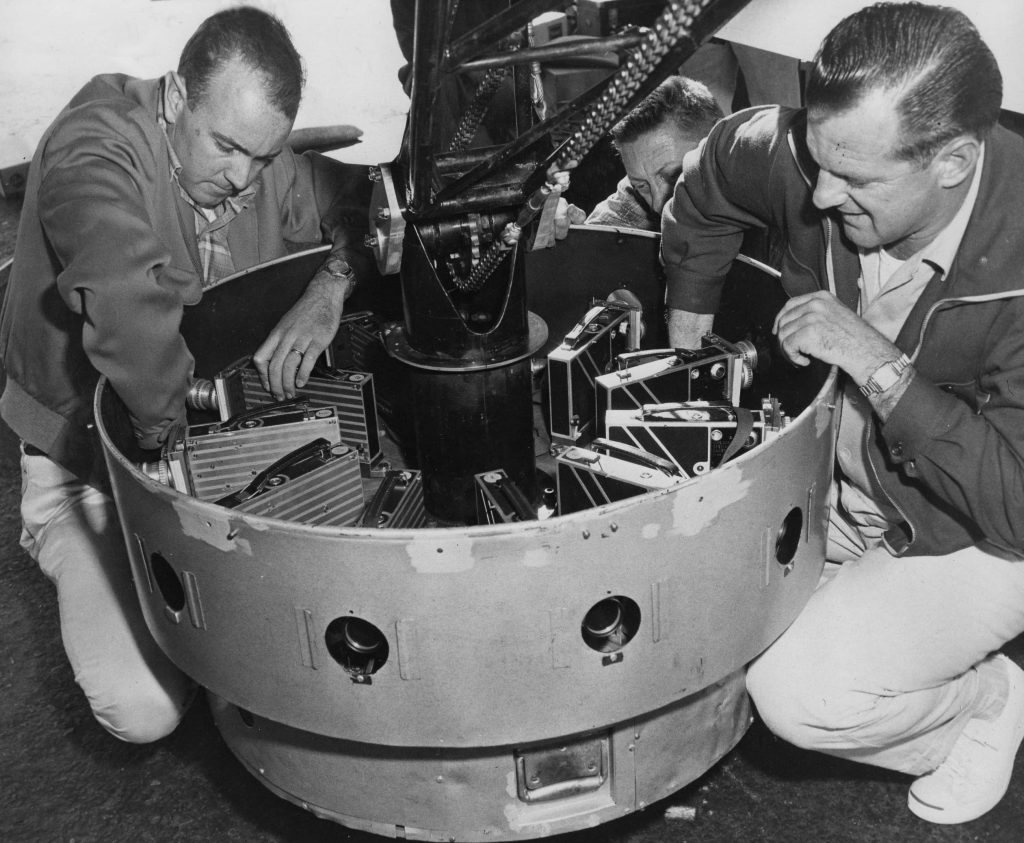
Among his abundant accomplishments were helping to develop the 360-degree Circle-Vision camera, first used inside the Circarama, U.S.A. attraction, upon the opening of Disneyland Park in 1955. The first film, A Tour of the West, was projected from eleven 16mm projectors, while later films used nine. For Italia ’61 (prepared for exposition in Turin, Italy), Don taught an Italian film crew how to use the unique camera.
America the Beautiful, perhaps the most memorable of the early films, would play through multiple versions at Disneyland for more than 17 years, and was also featured at Magic Kingdom Park at Walt Disney World Resort. Later, a reshot version of the film for Circle-Vision 360 would delight guests inside EPCOT Center (now known as EPCOT), Tokyo Disneyland, and Disneyland Paris.
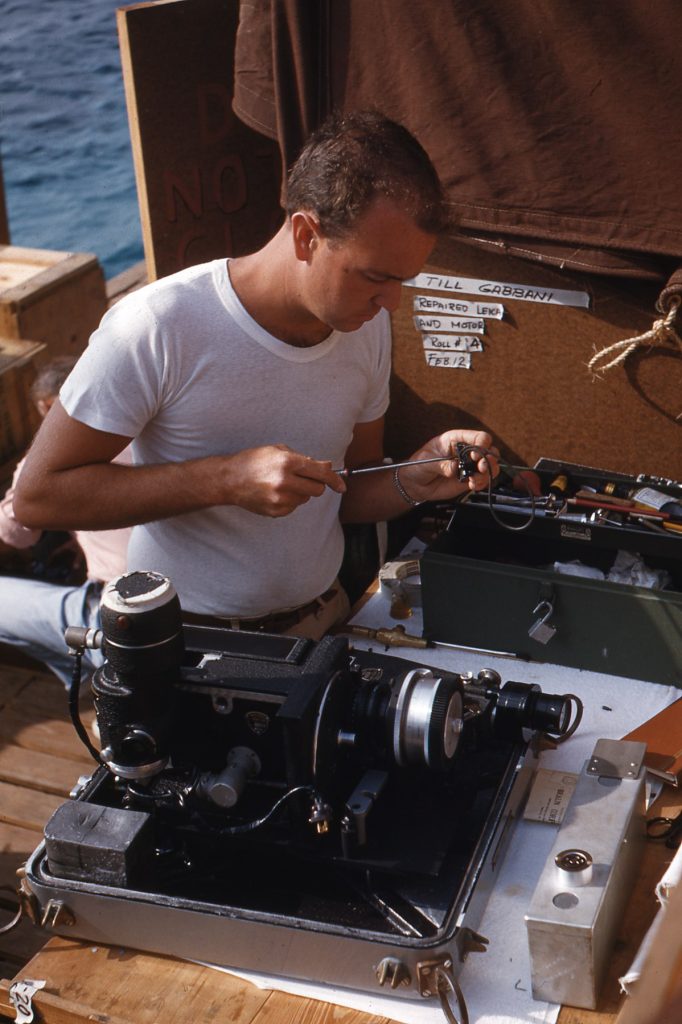
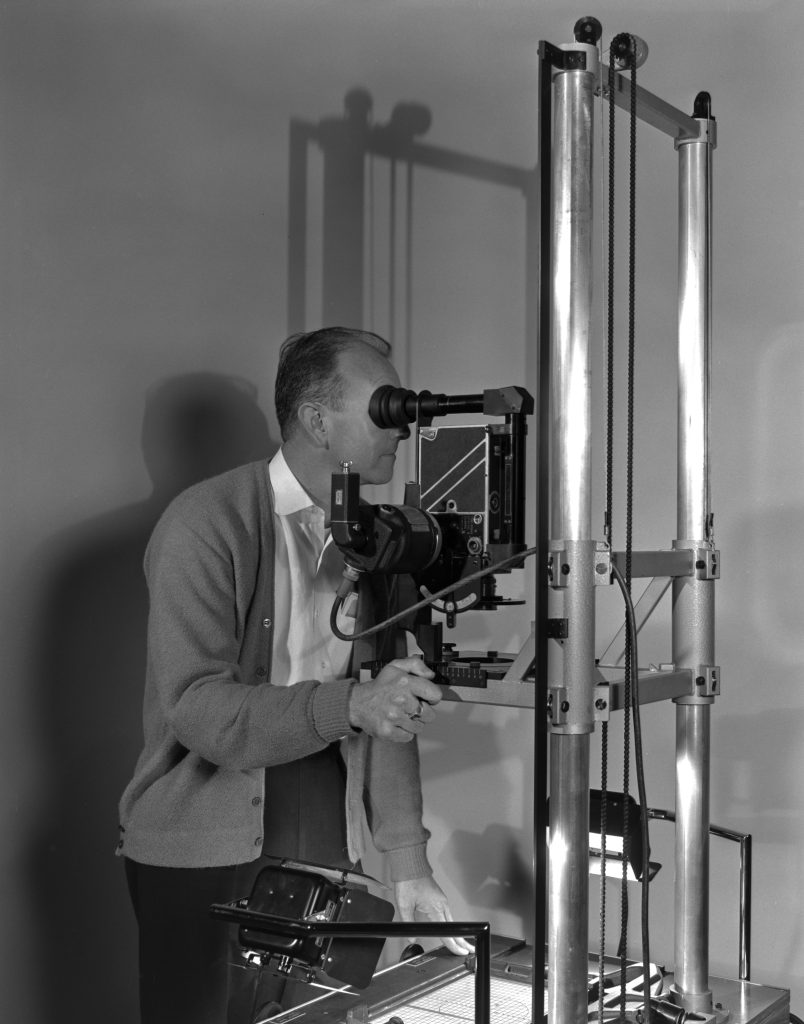
Other achievements include building and developing innovative film equipment used at the 1964–1965 New York World’s Fair; engineering 3-D film and in-theater effects for Captain EO; and building the projection system for the wildly popular Star Tours attraction. Don also aided his father in the development and refinement of the sodium vapor process, including the creation of specialized cameras and optical printers that could combine painted backgrounds, traditional animation, and live-action foregrounds to create the unforgettable cinematic experience that was 1964’s Academy Award®-winning Mary Poppins, including the iconic “Jolly Holiday” sequence.
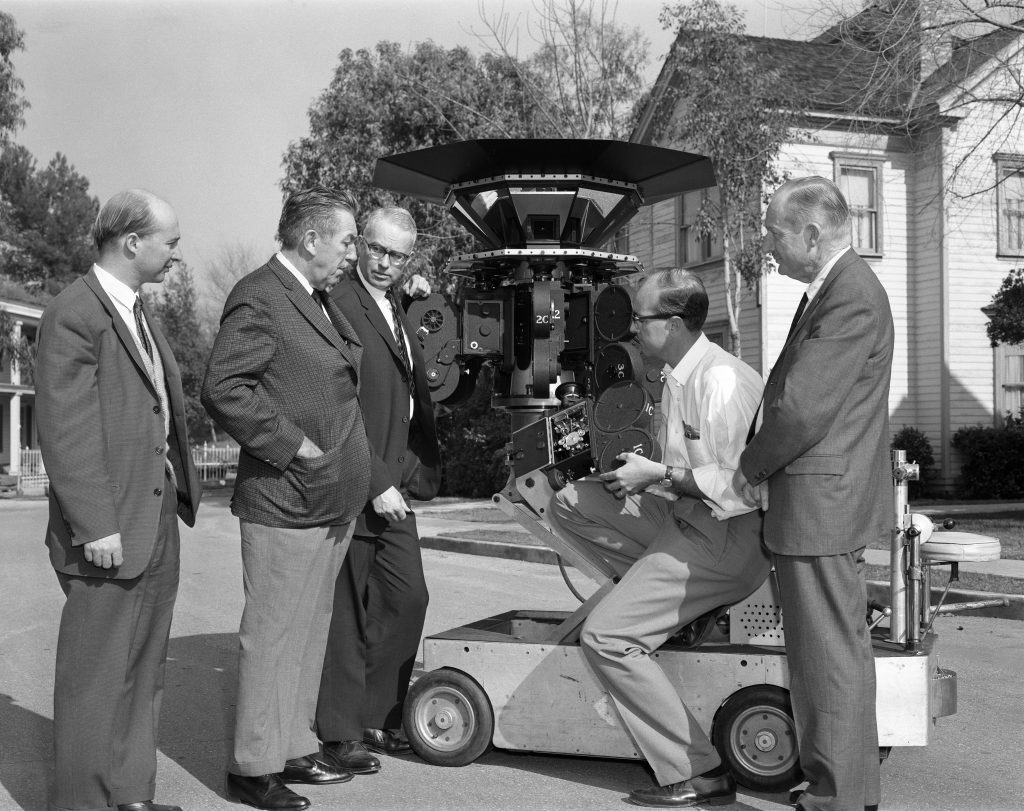
For his part, Don often cited his work at the New York’s World Fair and EPCOT as career-defining moments. “In my career, EPCOT was most outstanding,” he once said. “The theaters included two nine-screen Circle-Vision theaters plus the [France] pavilion—which was like Circle-Vision, except that it was a sit-down theater with five screens and a 200-degree wrap. The American Adventure was a huge rear-projection theater with set pieces in front of it. The film and scenics served as the background that helped to tell the story of America. It remains one of the most powerful experiences at EPCOT.”
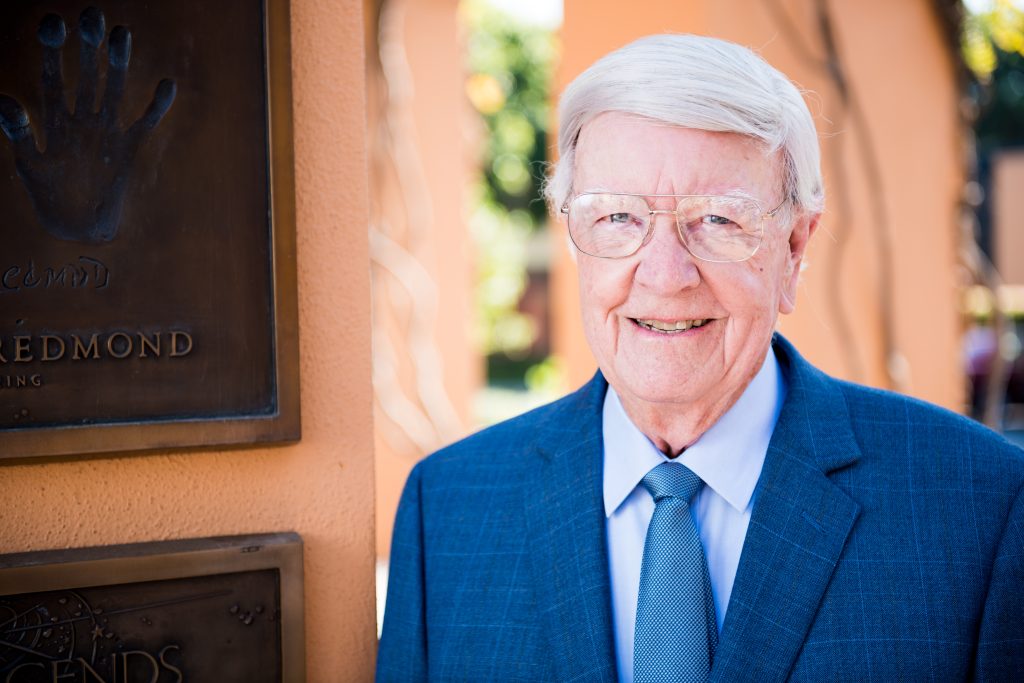
In recognition of contributions to the movie industry made by his large-format and simulated film innovations, Don was honored with the Gordon E. Sawyer Award from the Academy of Motion Picture Arts and Sciences’ Board of Governors in 1997. Don was made a Disney Legend at the inaugural D23 Expo in 2009, and his handprints (as well as his father’s) can be found at Legends Plaza on The Walt Disney Studios lot in Burbank, California. Don and his father also share an equally distinguished honor — a window on Main Street, U.S.A. at Magic Kingdom Park in Florida: “Iwerks–Iwerks Stereoscopic Cameras.”
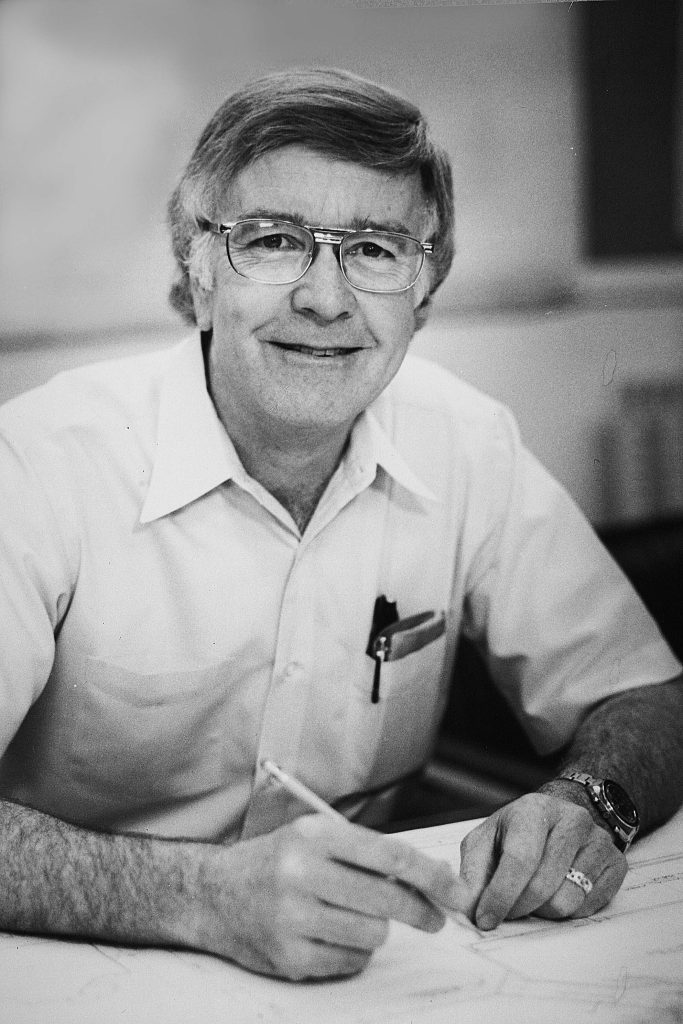
After a 35-year career at Disney, Don formed his own company, Iwerks Entertainment, Inc., in 1986. The maker of giant-screen theaters and 3D-projection-based theme park attractions was acquired by SimEx, Inc. in 2001.
Don credited both Walt Disney and his father, Ub, for the success he enjoyed throughout his career. From them, he learned that keeping a keen eye on detail and quality is the key to success. “There was a ‘can-do’ attitude I learned from Walt and my father,” he once said. “If you’re doing a really first-class job, you don’t need to worry about the money. It will come. Walt gave everyone a feeling that they were creating things that others had never thought of before, of being a part of history.”
Don and his family have certainly created things that others had never thought of before, and will forever be an integral part of the company’s story. From Ub’s essential role in defining the company’s early identity, to Don’s own groundbreaking innovations, to Don’s daughter Leslie’s heartfelt preservation of Disney’s creative history across numerous documentary films and books, the Iwerks family has helped shape, safeguard, and illuminate Disney’s legacy across generations. Don is survived by his devoted wife of 54 years, Betty; his sons, John and Larry; and his daughter, Leslie. He was preceded in death by his cherished daughter, Tamara, whom he loved deeply and carried in his heart always.